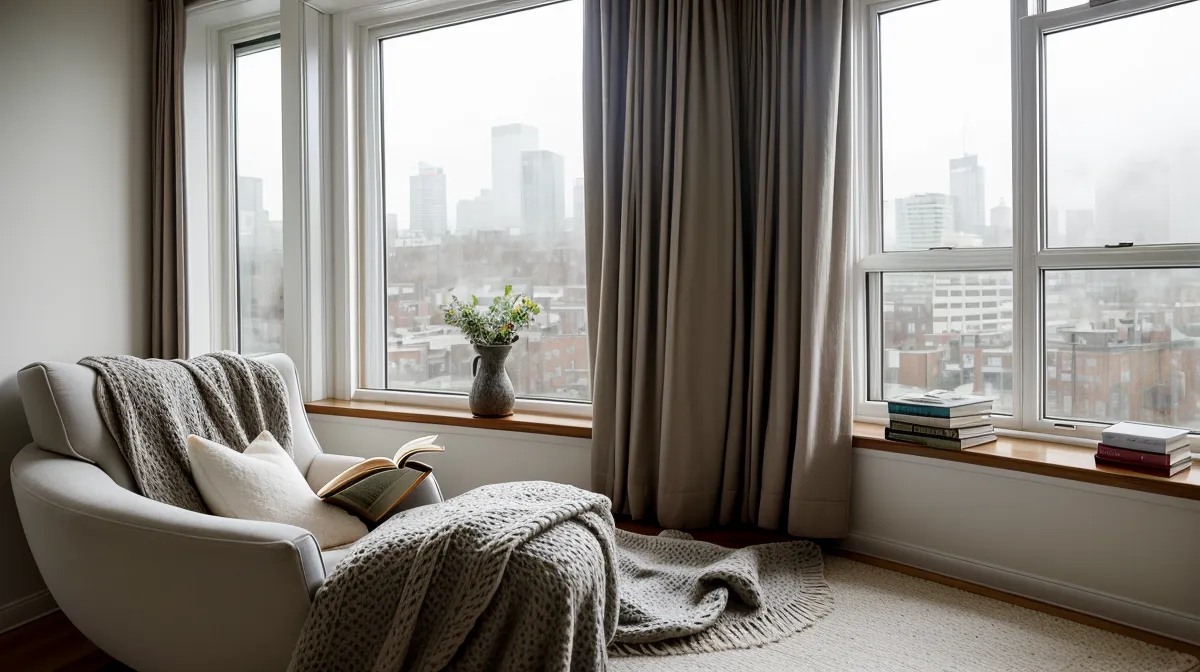
One evening last winter, I found myself holding my tablet at arm's length, squinting at a digital copy of 'Middlemarch' with the font size cranked to the maximum, realizing my 20/20 past was officially a memory. For thirty years, I was the woman who could spot a misplaced comma from across a classroom, but here I was, struggling with a Kindle. The speed of the decline was what really got to me. It felt like I woke up on my 48th birthday and the world just... blurred. Now, at 52, I’ve realized that screen time in retirement is a completely different beast than the screen time of my thirties.
Back when I was thirty, I could grade eighty essays on a glowing monitor and then spend the rest of the night watching a movie without a second thought. My eyes were resilient. But these days, 'tired eyes' isn't just a minor annoyance; it feels like a full-body fatigue that settles into my bones. One rainy afternoon last November, I spent two hours scrolling through retirement account spreadsheets, trying to make sense of the figures. By the end of it, I felt that sharp, gritty sensation in my tear ducts, like someone had tossed a handful of fine sand into my eyes. It wasn't just my vision failing; it was my comfort.
The Reality of the Aging Eye on Screen
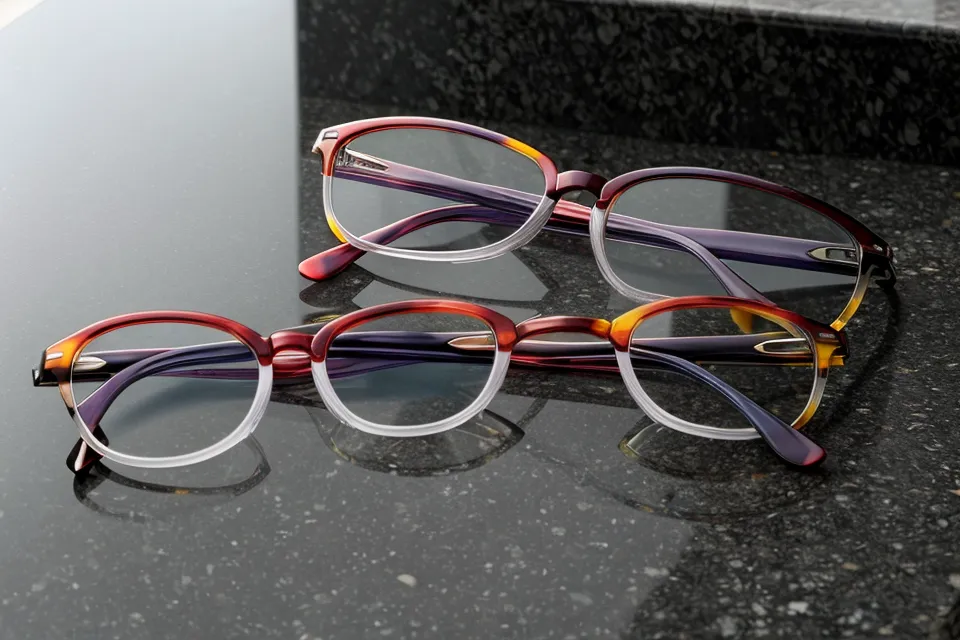
When I finally went to see my eye doctor for a routine exam, I was frustrated. I told her I felt like I was constantly fighting my own face. She explained that what I was experiencing was a natural progression. The human lens naturally yellows and loses flexibility with age, a condition known as presbyopia. It’s the reason why the sound of my life has changed—specifically, the click-clack sound of four different pairs of reading glasses hitting the granite kitchen counter as I search for the strongest ones to read the back of a soup can. I have them everywhere: the nightstand, the coffee table, the kitchen island, and my purse. It’s a bit of an indignity, really.
But it isn't just the focus; it's the light. My doctor mentioned that as we age, our retinas become more sensitive to HEV (High Energy Visible) light. We’re talking about the blue light wavelength range of 380 to 500 nanometers. When we’re younger, our eyes have a more robust defense system, but as we cross that 50-year mark, the macular pigment that protects our photoreceptors starts to thin. This pigment is comprised of lutein and zeaxanthin, two things the body cannot produce on its own. If you aren't getting them from your diet, your 'internal sunglasses' are basically wearing out.
I’ve since learned that vision isn't just about focus; it's about the whole aging eye trifecta of cataracts, floaters, and dry eyes that seems to arrive all at once. I’m not a doctor, obviously—just a retired English teacher who is tired of squinting at her own retirement goals—so talk to your own eye professional before you start changing your habits. But for me, understanding the 'why' behind the grit and the blur was the first step toward reclaiming my reading time.
Why the 20-20-20 Rule Might Be Failing You
Look, if you’ve searched for eye health tips, you’ve seen the 20-20-20 rule: every 20 minutes, look at something 20 feet away for 20 seconds. It’s the gold standard recommended by the American Optometric Association to prevent digital eye strain. And for a 30-year-old with flexible ciliary muscles, it’s great advice. But here is the thing I discovered through a lot of frustrated trial and error: after 50, following the 20-20-20 rule can actually backfire.
When my eyes were flexible, shifting focus from a screen to a distant tree was easy. Now, that act of 'accommodation'—the technical term for the eye changing focus—requires a physical effort from muscles that are already tired. Late February, when the days started lengthening and I was spending more time on my laptop writing letters to friends, I found that every time I looked away and then looked back, it took my eyes several seconds to 'lock' back onto the text. That constant refocusing was inducing more fatigue than if I had just stayed put. My eyes were essentially doing 'reps' at the gym every twenty minutes, and they were exhausted by noon.
What I do now is focus on ergonomics and consistency. Instead of constant shifting, I’ve found a 'sweet spot' distance for my monitor and I stick to it. I use a larger font size (no shame in it!) and I ensure my ambient lighting matches my screen brightness. I still take breaks, but they are longer and less frequent—giving my eyes a chance to actually rest in a dark room rather than forcing them to perform gymnastics every twenty minutes. It’s about managing the digital environment to suit the eyes I have now, not the eyes I had twenty years ago.
Building a Macular Support Routine
After about three months of consistency with my new screen habits and a dedicated supplement routine, the 'stinging' sensation finally began to subside during my afternoon reading sessions. I went through five different brands before I figured out what actually felt like it was making a difference. I started paying close attention to labels, looking for that specific standard AREDS2 lutein to zeaxanthin ratio of 5 to 1. It’s the ratio established in the Age-Related Eye Disease Study 2, and for me, it seemed to be the missing piece in the puzzle.
I remember mid-September, as the school year started for everyone but me, sitting on my porch with my tablet. Usually, the glare from the morning sun would make the screen impossible to read, but I noticed I wasn't squinting as hard. My 'internal sunglasses' felt like they were finally back on duty. I wrote a bit about this when I was preserving my sight after the chalk dust settled and finally found a supplement routine that stuck. It wasn't an overnight miracle—aging doesn't work that way—but it was a gradual lifting of that heavy, tired feeling that used to end my day by 3 PM.
I’ve also had to be honest with myself about the emotional side of this. It’s hard to lose a sense you took for granted. There’s a certain grief in realizing you can't just 'power through' a long reading session anymore. But shifting my perspective from 'fixing' my eyes to 'supporting' them has made all the difference. I now treat my vision like I treat my garden: it needs the right nutrients, the right environment, and a lot of patience. I’m not trying to turn back the clock to my 30s; I’m just trying to make sure my 60s and 70s are filled with the books and stories I love, without the grit and the glare getting in the way.
If you're in that same boat, struggling to read the whiteboard of your own life, start small. Check your screen distance, look into the 5:1 ratio for macular support, and don't be afraid to leave a pair of readers in every single room of the house. It's not about winning a race against time; it's about making sure you can see the view along the way.